Subtitle: How leading private equity and venture capital firms leverage the first 90 days to transform technical due diligence from a defensive audit into an aggressive engine for EBITDA growth.
Meta Description: Discover how top PE firms turn technical due diligence into a post-deal value creation technology engine during the critical first 90 days after M&A closing.
The Strategic Pivot: Translating DD into Actionable Post-Close Roadmaps
The modern private equity and venture capital landscape has fundamentally shifted. The days of relying on multiple arbitrage and sheer financial leverage to secure top-quartile returns are over. In the current macroeconomic environment, technology integration failures account for approximately 30% of value destruction in M&A transactions [McKinsey & Company]. This staggering metric highlights a stark reality. If acquiring firms fail to actively manage the technological foundation of their portfolio companies immediately following a transaction, they risk systematically eroding their anticipated deal synergies. Technology is no longer an operational afterthought or a defensive cost center. It is the primary engine for margin expansion, operational efficiency, and ultimate enterprise valuation.
The End of Free Money and the Rise of Operational Alpha
For over a decade, a low interest rate environment allowed private equity firms to achieve target returns through financial engineering. Holding periods were shorter, and capital was cheap. Today, as holding periods extend well beyond a six-year average, sheer financial leverage is insufficient. Operational value creation has transitioned from a nice to have differentiator to an absolute baseline requirement. This shift demands a rigorous focus on the operational assets of an acquired company, with the software and technology stack acting as the central nervous system.
When money was free, firms could afford to ignore mounting technical debt or inefficient legacy systems. Now, inefficiencies directly compress margins. The focus has rapidly pivoted toward operational alpha, where dedicated technology teams extract measurable value by modernizing architecture, securing data pipelines, and rationalizing bloated software vendor contracts. In this new paradigm, pre-deal technical due diligence cannot simply be a defensive checklist designed to catch licensing issues or obvious cybersecurity flaws. It must be the foundational blueprint for a highly aggressive post-close transformation.
Evolving Technical DD: The RCOI Framework
Historically, technical due diligence was an exercise in risk avoidance. Auditors would review code repositories, check open source compliance, and deliver a static report of red flags right before the deal closed. Modern due diligence teams have completely abandoned this model. Today, leading firms utilize structured frameworks to ensure that technical findings directly translate into financially bounded business impacts. The most prominent of these models is the RCOI framework, which stands for Risks, Costs, Opportunities, and Impact.
Using the RCOI framework, modern operating partners map abstract technical deficiencies directly to the financial model. If a due diligence team discovers that an acquired company relies on an ERP system approaching its end of life, the finding is not simply logged as a technical risk. It is translated into a precise financial boundary. The finding becomes a documented expectation that it will cost $2 million and require 18 months of implementation to replace the system, which will measurably delay anticipated operational synergies. This structured translation ensures that the deal team, the board, and the engineering department are speaking the same financial language from day one.
Prioritizing the Roadmap: Scoring Risk for Immediate Action
Source: McKinsey & Company
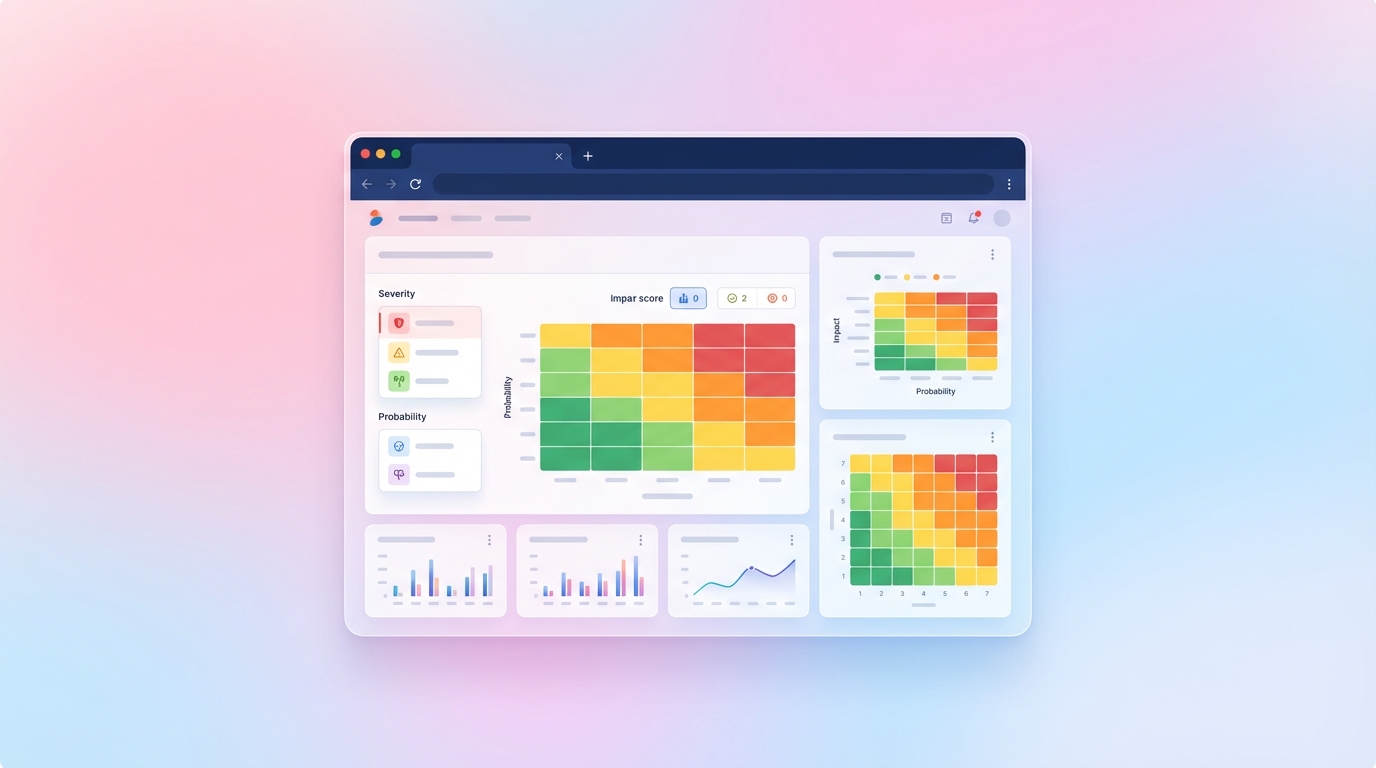
Translating technical flaws into financial impacts is only the first step. The true value of modern technical due diligence lies in its ability to dictate the precise sequencing of the post-close roadmap. Findings are strictly scored on a severity matrix that separates deal breaking crises from manageable architectural debt.
This severity scoring dictates the timeline. Critical and high severity issues become mandatory Day 1 interventions. These include active cyber breaches, exposed source code repositories, and severe IP ownership disputes that threaten the legal foundation of the software asset. If an acquisition target has a "cloud on title" issue regarding who actually owns their core algorithm, that must be resolved immediately upon close. Medium severity issues, such as unoptimized cloud infrastructure or standard technical debt, are carefully scheduled into the 30 to 90 day window or deferred to the broader 18 month modernization plan. This level of rigorous scoring occasionally alters bidding valuations during the final stages of a deal, but more importantly, it provides the incoming operational leadership with a prioritized, risk adjusted playbook the moment the transaction clears.
Architecting the First 90 Days: The Technology Sprint Blueprint
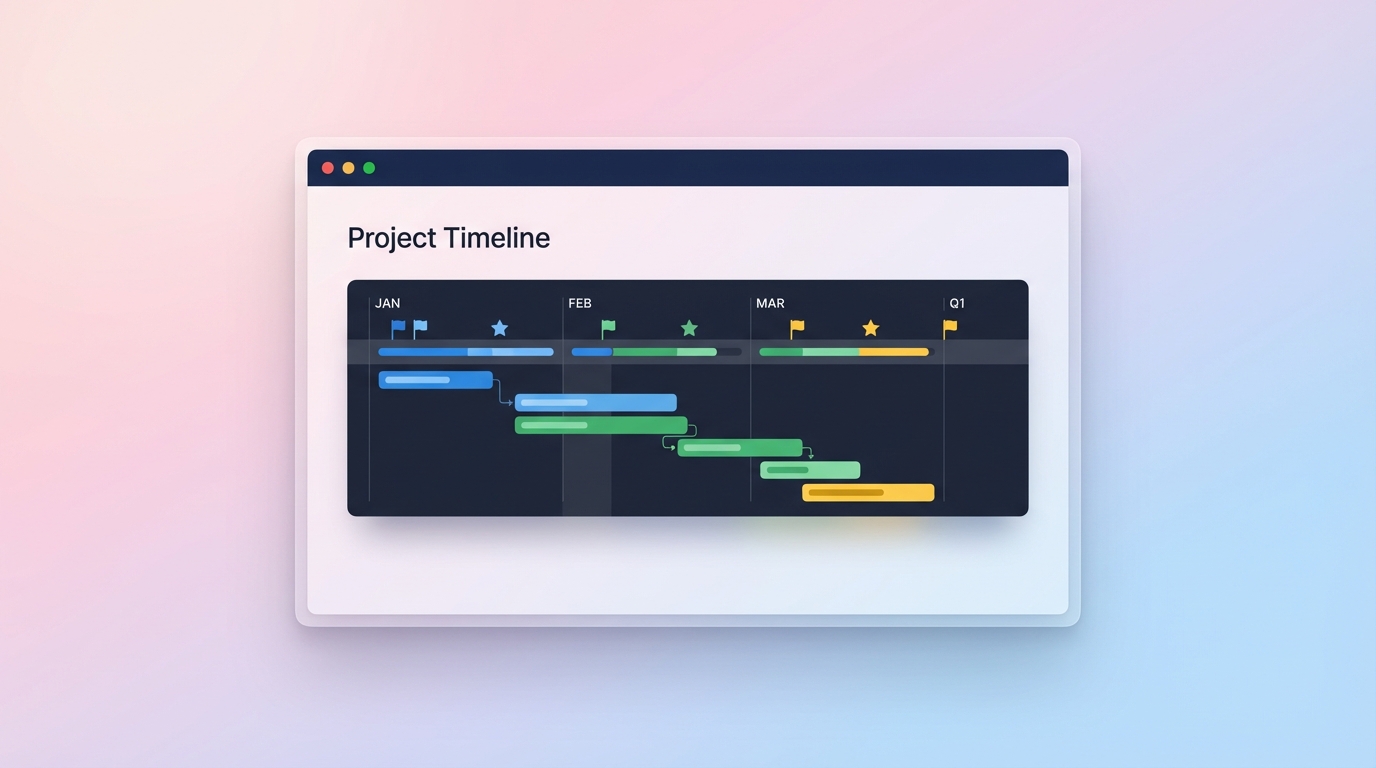
The culmination of the modern due diligence process is the generation of a highly structured 90-day improvement plan. Operating partners universally recognize this critical post-close window as the exact moment to capture value, stabilize operations, and prevent silent value leakage. Failing to act decisively during this period often leads to cultural stagnation and technical drift within the newly acquired engineering teams.
Phase 1 (Day 0 to 30): Stabilize, Assess, and Align
The immediate priority following an M&A transaction close is not rapid innovation. The focus is entirely on stabilization. This initial 30 day phase is characterized by efforts to secure business continuity and establish absolute role clarity, which is especially critical during complex corporate carve outs where systems are being decoupled from a parent company.
Firms prioritize securing the IT perimeter during this window. Operating teams execute quick cybersecurity sweeps to verify multi factor authentication, enforce endpoint protection, and audit disaster recovery backups. They also map the complete technical estate to ensure no hidden servers or rogue cloud accounts remain unmanaged. A major priority during this phase is avoiding post-close data stagnation. Data stagnation occurs when a newly acquired company relies on manual, unintegrated reporting processes. Without automated data pipelines flowing to the acquiring firm, executives lack real time visibility into financial and operational metrics. Deal value slowly bleeds away as synergy capture is delayed by opaque reporting and manual spreadsheet reconciliation.
Phase 2 (Day 30 to 60): Unblock, Modernize, and De-Risk
Once the technical environment is stabilized and data visibility is secured, the sprint shifts focus to unblocking delivery pipelines and retiring the severe technical debt identified during the due diligence phase. This second 30 day window is where the heavy lifting of modernization begins.
Operating partners aggressively target duplicate systems for retirement. If the acquired company and the buyer both run expensive, overlapping CRM platforms or cloud hosting environments, consolidating these systems captures immediate financial synergies. Furthermore, this phase involves moving away from brittle, legacy monolithic architectures toward scalable cloud native patterns. Refactoring code to unblock the delivery pipeline ensures that developers spend less time managing infrastructure failures and more time building features that drive customer revenue. The goal is to aggressively de-risk the technical foundation so that it does not collapse under the weight of the private equity firm's growth expectations.
Phase 3 (Day 60 to 90): Show Traction and Accelerate Delivery
Source: E78 Partners / Independent Advisory Reports
The final phase of the 90 day sprint transitions the portfolio company away from a defensive stabilization mindset and directly into a building mindset. The technical foundation should now be secure enough to support new growth initiatives. Operating teams use this window to instill rigorous sprint governance and establish strict reporting cadences. This ensures that the acquired software delivery team aligns their daily engineering work precisely with the board's value creation plan.
By the end of the first 90 days, the portfolio company is expected to deploy initial, high impact pilots. These early pilots demonstrate that the underlying deal thesis is actionable and capable of generating commercial wins. Data proves the efficacy of this structured approach. PE backed companies actively engaging in comprehensive tech transformation deliver a median EBITDA growth of 11% [E78 Partners]. This measurable growth stems directly from the disciplined execution of the 90 day sprint, proving that rapid technological stabilization provides the necessary launchpad for sustained operational alpha.
Divergent Philosophies: How Mega-Funds Execute Value Creation Playbooks

While the fundamental 90 day transformation framework is relatively standard across the industry, the specific operational execution varies dramatically among leading mega fund technology specialists. Private equity giants managing billions in assets have developed highly distinct, proprietary philosophies for managing portfolio company technology. Examining these divergent strategies reveals that there is no single right way to drive post deal value, provided the firm executes its chosen playbook with absolute conviction.
Vista Equity Partners: The Agentic AI Factory
Vista Equity Partners treats software value creation as an exact, unyielding science. The firm rejects ad hoc management styles, relying instead on a massive and rigidly codified proprietary playbook historically known as Vista Standard Operating Procedures. This living document dictates every single operational facet of a portfolio company, from R&D deployment processes to the specific structure of sales commission plans.
To enforce these procedures, Vista utilizes a vast internal consulting wing. During the due diligence phase, this consulting group identifies any gaps relative to the Vista standard, and those gaps immediately become the rigid post close action plan. Recently, the firm has aggressively pivoted to embrace artificial intelligence. Vista is actively transforming its massive software portfolio into an Agentic AI Factory. By utilizing standard operating procedures as a baseline, they are deploying autonomous software systems and AI agents across their portfolio to automate internal PE workflows, essentially using AI to enforce their playbook at unprecedented speeds.
Thoma Bravo: Radical Margin Restructuring
Source: Strategic Rationale / Thoma Bravo Playbook
Thoma Bravo manages enormous assets but intentionally contrasts Vista's approach by operating with highly lean internal teams. Rather than deploying an army of internal consultants to dictate day to day operations, Thoma Bravo utilizes sector specific Operating Partners who act as high level mentors and board chairmen. Their philosophy leans heavily on partnering with existing management where possible, focusing entirely on radical margin restructuring in the initial months of ownership.
The Thoma Bravo playbook executes rapid, severe margin corrections immediately post close. Their strategic interventions frequently feature substantial workforce reductions of 10 to 20 percent to right size bloated engineering teams. More notably, they aggressively optimize executive compensation, slashing stock based compensation by up to 54% [Strategic Rationale / Thoma Bravo Playbook], as observed in highly documented case studies like the Instructure transaction. This brutal but effective margin restructuring aggressively corrects operating inefficiencies before the firm pivots toward expansive M&A growth strategies.
Hg Capital: The Incumbent SaaS Incubator
Hg Capital operates with a fundamentally different approach, functioning as an incumbent SaaS and AI incubator. They acquire mission critical B2B software platforms and execute decade long buy and build strategies. What separates Hg Capital from its peers is its reliance on direct technological execution rather than mere operational advisory or margin cutting.
Hg Capital embeds direct technological capabilities into its portfolio through Hg Catalyst, a dedicated internal team of over 80 AI engineers and data scientists. Rather than advising portfolio companies on how to build software, these engineers parachute directly into the acquired companies to build autonomous products alongside the existing teams. This direct injection of top tier technical talent ensures incredibly fast release cycles and promotes deep cross portfolio technical synergy. This hands on technological execution directly drives massive valuation premiums, famously pushing revenue multiples up to 22x [Angel Investors Network / Hg Capital] on key strategic exits.
The Evolution of Deal Talent: Operating Partners and Post-Close DD Teams
The execution of these complex 90 day playbooks and mega fund strategies has necessitated a severe fracturing and specialization of private equity talent. The traditional profile of the deal team is evolving rapidly. Firms can no longer rely solely on financial engineers to execute technical turnarounds. The complexity of modern cloud architectures and the rapid integration of artificial intelligence require deeply specialized practitioners who understand both code and capital.
The Rise of the Technology and AI Operating Partner
Historically, operating partners were generalists or financially focused executives tasked with overseeing broad operational efficiency. Today, those generalists are being rapidly supplemented or replaced by Technology Operating Partners and specifically AI Operating Partners. These highly specialized roles are typically filled by former Chief Information Officers, seasoned Chief Technology Officers, and elite Data Scientists.
These technical partners are directly responsible for translating the findings of the due diligence report into hard operational execution. They govern the 90 day sprints, oversee the retirement of legacy systems, and drive critical ERP modernization efforts. Their presence is financially justified. Successful ERP and data modernization initiatives spearheaded by competent technical partners can increase overall enterprise valuation by 20 to 30 percent. Furthermore, the newly emerged AI Operating Partners are specifically tasked with deploying agentic workflows to compress the time it takes for a portfolio company to act on critical business KPIs.
From Auditors to Fractional CTOs
The role of the pre deal technical due diligence team has also evolved in tandem with the operating partner. In the past, a technical DD team consisted of external auditors who would deliver a risk report on the Friday before the deal closed and immediately exit the engagement. This handoff created a massive knowledge gap, leaving the incoming management team to interpret complex technical warnings without the context of the original audit.
Today, top tier firms refuse to let that knowledge walk out the door. The technical DD teams are increasingly retained post close. Because they possess the most intimate, unbiased understanding of the target company's risk profile, these experts frequently transition into fractional CTO roles for the volatile 3 to 6 month integration window. Retaining the DD team ensures continuity, allowing the individuals who uncovered the architectural debt to directly supervise its remediation.
The Post-Deal Remediation Workshop
The practical mechanism for bridging the gap between diligence and execution is the Post Deal Remediation Workshop. Led by the retained DD team or the Technology Operating Partner, this workshop serves as the formal kickoff for the newly acquired engineering team.
Instead of handing the acquired engineering leaders a demoralizing list of their past failures, the workshop uses the due diligence risk profile to collaboratively build the roadmap. The fractional CTO guides the team through the RCOI framework findings, ensuring that the acquired engineers understand exactly why certain technical debt must be cleared to support the broader deal thesis. This workshop aligns the engineering floor with the boardroom, ensuring that every subsequent line of code written during the 90 day sprint directly serves to increase enterprise valuation and decrease operational risk.
Measuring Success: Financial Outcomes vs. The DORA Conflict
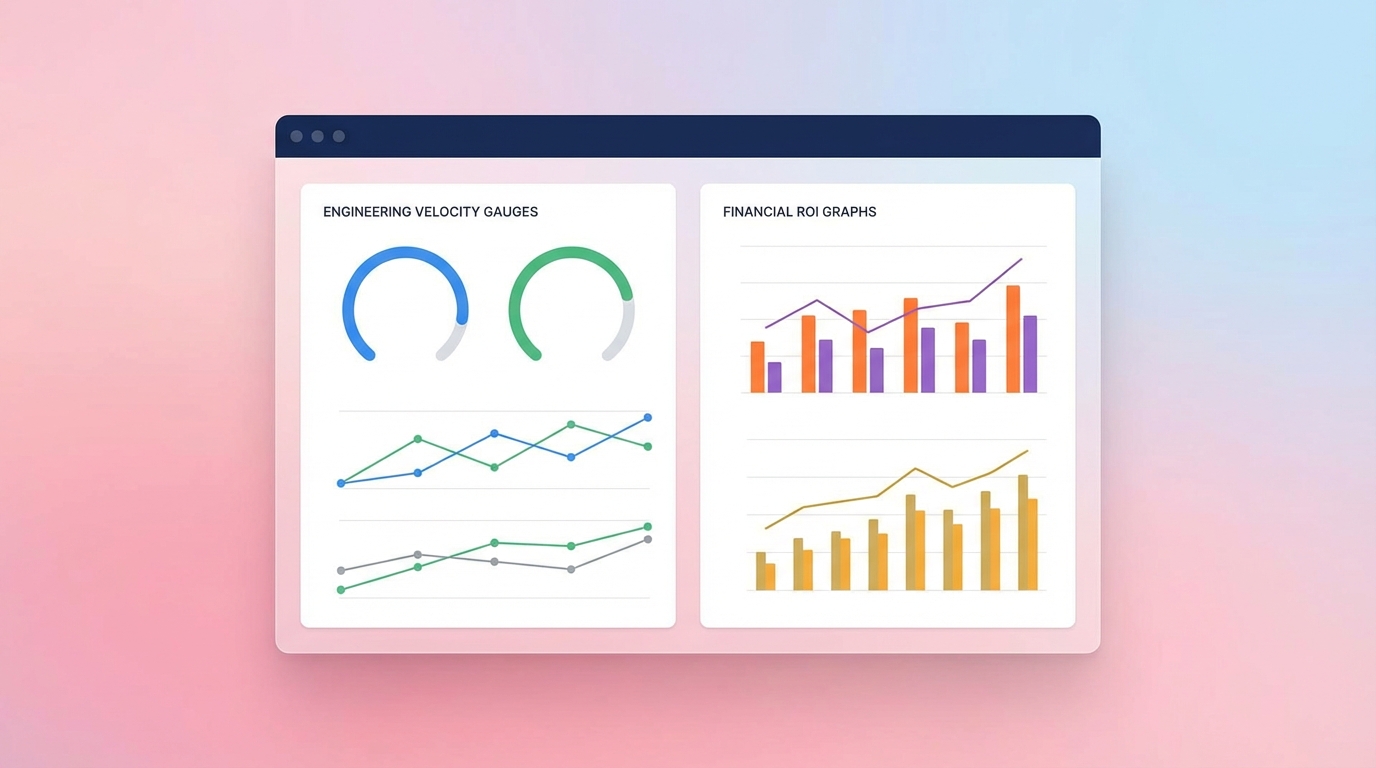
Deploying specialized operating partners and executing aggressive 90 day sprints requires significant capital. Private equity boards demand clear, measurable proof that these technological interventions are actually generating financial returns. Measuring this success, however, exposes a persistent structural conflict between how engineering teams measure velocity and how financial sponsors measure value.
Quantifying the ROI of Technical Remediation
The empirical evidence linking structured technology improvements to hard business gains is robust. When executed correctly, targeted technological interventions can yield a 2x to 4x return on investment over the hold period. This is not purely theoretical. Independent advisory studies utilizing rigorous Total Economic Impact frameworks consistently validate these returns.
For example, specialized data synchronization platforms and automated workflow implementations routinely demonstrate verified ROIs exceeding 300 percent. By automating manual data entry, retiring duplicate legacy systems, and consolidating cloud hosting environments, portfolio companies realize immediate margin improvements. Every dollar saved on redundant software licenses or inefficient cloud storage drops directly to the EBITDA line, which is then amplified by the exit multiple. The financial math of technical remediation is highly favorable, provided the execution does not stall.
The Boardroom Disconnect with Engineering Metrics
While financial returns are measured in EBITDA, internal engineering velocity is measured quite differently. To gauge how fast an acquired software team is moving, fractional CTOs rely heavily on DevOps Research and Assessment metrics, commonly known as DORA metrics. These metrics track deployment frequency, lead time for changes, change failure rate, and mean time to recovery.
DORA metrics are exceptional at measuring the mechanical health and speed of a software pipeline. However, a significant operational conflict emerges when these metrics are presented to the boardroom. DORA metrics measure speed and stability, but they are entirely blind to financial value. A development team can deploy code multiple times a day with zero failures, perfectly optimizing their DORA metrics, while building features that customers actively despise or refuse to pay for. The boardroom expects engineering metrics to correlate with revenue growth, but DORA metrics only correlate with engineering efficiency.
Preventing Systemic Toxicity in Sprints
This disconnect frequently leads to systemic toxicity within the portfolio company. When private equity operating partners blindly pressure engineering leaders to improve their DORA metrics without tying those metrics to revenue, developers adapt by gaming the system.
Hyper focusing on deployment frequency incentivizes engineers to break their work into microscopic, meaningless updates. They push low value code to the production environment simply to inflate their deployment metrics and satisfy management. This creates a deeply toxic environment where engineering output is entirely disconnected from actual deal revenue. To prevent this, elite Technology Operating Partners mandate that DORA metrics are never viewed in isolation. They must be cross referenced with customer adoption rates and direct revenue attribution, ensuring the team is not just building software quickly, but building the exact software required by the value creation plan.
The AI Variable: A High-Stakes Catalyst in Post-Deal Transformation
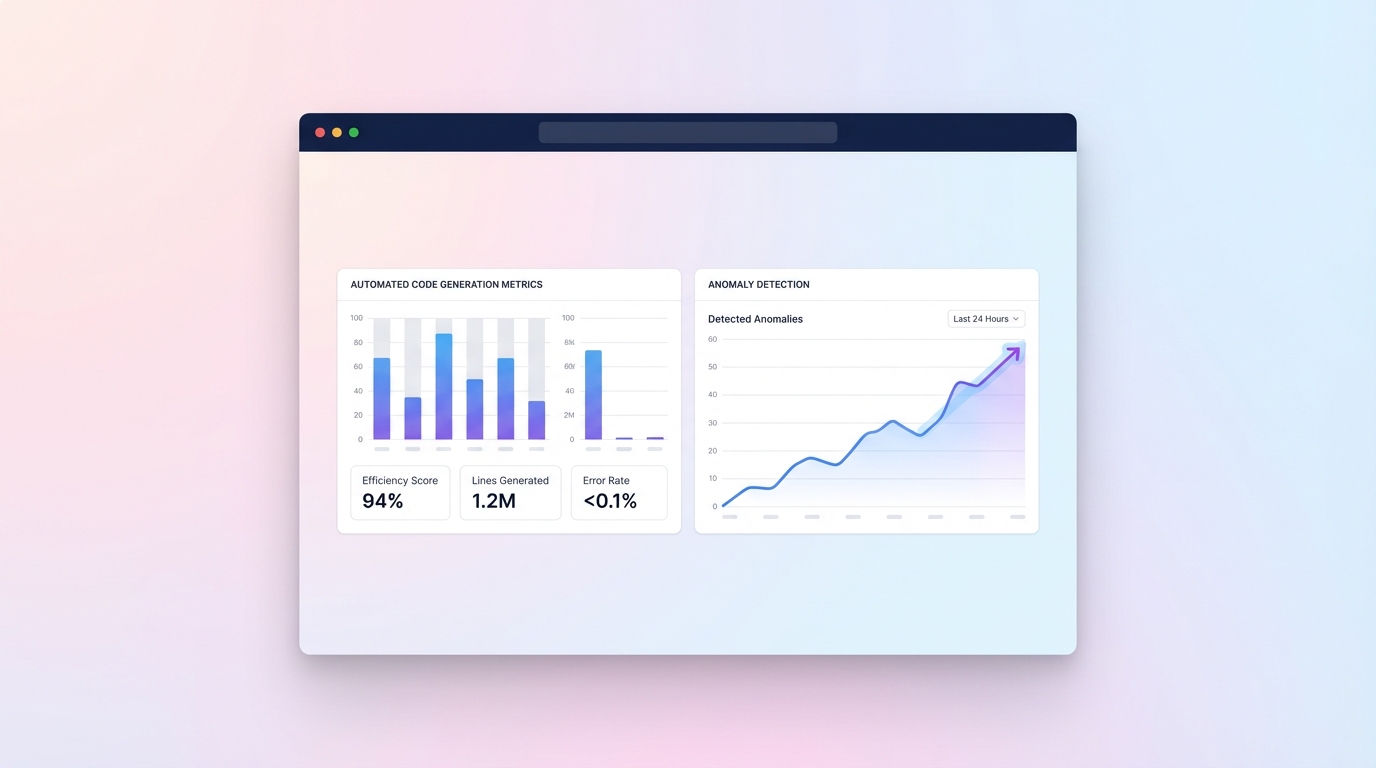
The most volatile and consequential element in contemporary post deal value creation is the introduction of Artificial Intelligence. AI is no longer a speculative technology on the horizon. It is actively being deployed to compress 90 day improvement plans into weeks. However, the use of AI to remediate technical debt introduces unprecedented speeds alongside profound, existential risks for the portfolio company.
The Staggering Promise of Generative AI Remediation
The promise of utilizing AI in post deal technical remediation is staggering. Operating partners are deploying generative AI coding assistants to massively accelerate the pace at which legacy codebases are modernized. The data supports the enthusiasm. Generative AI tools like GitHub Copilot improve developer task speed by an astonishing 55% [Forrester / General Enterprise Telemetry].
For a private equity firm that just acquired a company burdened with decades of monolithic technical debt, this speed increase fundamentally alters the ROI math. Instead of taking 18 months to refactor a legacy application, AI augmented teams can accomplish the task in a fraction of the time. Research forecasts indicate that AI tools will reduce application modernization costs by 30% by 2028 [Gartner]. This level of cost reduction allows operating partners to clear technical debt faster and cheaper than ever before, accelerating the path to synergy realization.
The Budget Overrun Paradox
Despite the promise of speed, unmitigated AI adoption presents massive financial risks. The software industry is rapidly heading toward a budget overrun paradox. Most enterprise AI coding tools operate on usage based or consumption based pricing models. As developers rely more heavily on AI to generate code, the consumption costs skyrocket.
Industry forecasts paint a concerning picture for operating partners tasked with controlling margins. By 2027, 40% of enterprises using consumption priced AI coding tools will experience costs exceeding double their planned budgets [Gartner]. This creates a severe conflict for margin conscious mega funds. The very tools deployed to reduce the cost of technical debt remediation may inadvertently cause massive operating expense blowouts if strict vendor management and usage governance are not enforced during the initial 90 day sprint.
Navigating the Surge in AI-Induced Software Defects
The financial risks of AI are entirely eclipsed by the structural risks it poses to the codebase itself. Artificial intelligence models excel at syntax, but they fundamentally lack deep system context and historical business logic. When AI is used to rapidly clear due diligence findings, it frequently generates code that looks functionally correct but is architecturally unsound.
This phenomenon is alarming. Unmitigated prompt to app development is forecasted to increase software defects by an astonishing 2500% by 2028 [Gartner]. For a newly acquired portfolio company, this poses a massive structural debt risk. If a fractional CTO allows the engineering team to blindly use AI to refactor the core platform, they may inadvertently automate the company into catastrophic technical failure. The AI will write clean looking code that ultimately collapses under enterprise scale usage. Therefore, the most critical mandate for the post deal technology team is establishing severe architectural oversight. AI must be leveraged as a powerful assistant to accelerate typing, never as an autonomous architect replacing senior engineering judgment.
Conclusion
Turning technical due diligence into a post deal value creation engine requires intense operational discipline. It demands a rigorous translation of abstract technical risks into hard financial impacts, an uncompromising 90 day execution cadence, and the deployment of specialized technical operating partners. As the industry definitively moves away from financial engineering toward operational excellence, the firms that succeed will be those that effectively balance rapid technological modernization with strict governance.
To ensure your next transaction begins with a roadmap tailored for aggressive EBITDA growth, you need due diligence that goes beyond the defensive checklist. Altimi's Rapid Tech DD provides a clear investment recommendation in just 2 to 3 weeks. By combining deep code sampling, AI capability assessment, and exact risk scoring, we deliver the blueprint you need to execute your first 90 days with absolute confidence. Starting from €8,500. Book a call to speak directly with an advisor today.